
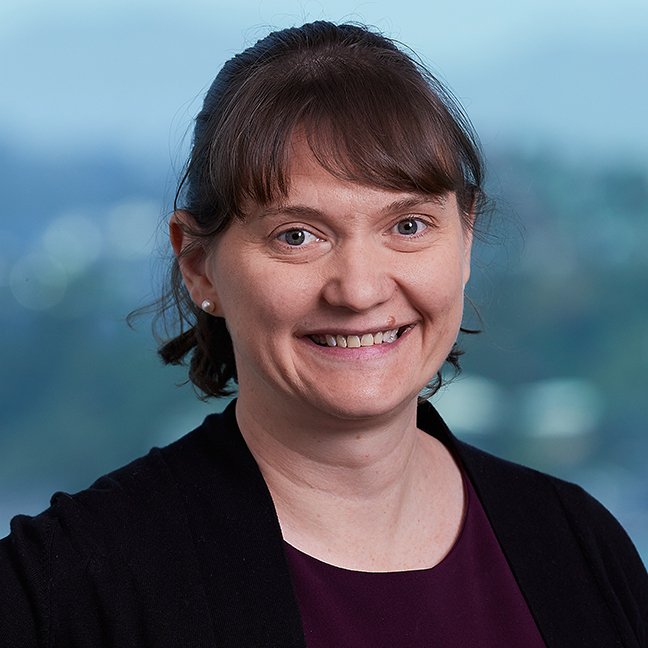
Anne Molineux
I work part-time because it enables me to do my best work.
I sustained a brain injury more than a decade ago, while cross-country skiing in Alaska. This has left me with ongoing cognitive fatigue that I need to manage carefully – including, somewhat unusually for a Director at Deloitte, making space for a nap most afternoons.
For a long time, I assumed this would eventually put a ceiling on my career. Consulting can be a demanding profession, and as I became more senior I wondered whether I would reach a point where the expectations of the job simply weren’t compatible with the way I needed to work.
That hasn’t been my experience.
I’ve continued to take on complex and challenging work, lead teams and progress my career, while working reduced hours. If anything, having finite time and energy has made me much more deliberate about how I use both. I prioritise ruthlessly, focus on where I can add the most value, and trust the talented people around me rather than assuming that good leadership means being involved in everything.
I’ve also been fortunate to work with people at Deloitte who have focused on the contribution I make, rather than the hours I work. That trust matters. Flexible working is much harder if you constantly feel you need to compensate for it – by squeezing a full-time job into part-time hours, being permanently available, or continually proving your commitment.
Part-time work is often talked about in the context of parenting and caring responsibilities, and understandably so. But there are many reasons people need – or simply choose – to work differently. For me, it has been what has allowed me to build a career I find interesting and meaningful, without sacrificing the things I need to sustain it.
I’d like us to get to a point where senior part-time work is unremarkable. Where we are less interested in how many hours someone works, and more interested in the contribution they make in the hours they have.